
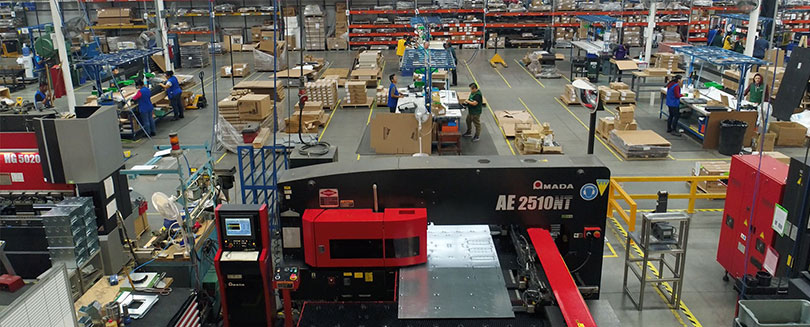
Mexico can offer U.S. buyers proximity, overland transportation, overlapping business hours, and a deep manufacturing base. Those advantages do not remove the need for disciplined procurement. Successful programs connect product requirements, supplier capability, commercial terms, quality controls, and border logistics before purchase orders are released.
Define the sourcing objective
Decide whether the project is a catalog purchase, private-label product, build-to-print component, custom assembly, or full product-development program. Record annual demand, launch timing, target cost, acceptable order quantities, destination, and regulatory constraints. A supplier appropriate for repeat truckload orders may be wrong for a prototype or seasonal product.
Prepare a complete RFQ package
Include drawings, bill of materials, reference samples, workmanship standards, packaging, labeling, testing, quality documentation, and quantity breaks. State who owns designs and tooling. Ask suppliers to identify exclusions and deviations rather than allowing silent assumptions.
Discover and screen suppliers
Use multiple channels and verify the legal identity behind each trading name. Screen for the exact manufacturing process, equipment range, material experience, capacity, relevant certifications, export history, and financial or operational warning signs. A polished website is evidence of marketing—not proof of capability.
Validate product and process
Agree on sample stages: prototype, engineering sample, first article, pilot build, and production approval where appropriate. The acceptance plan should define dimensions, appearance, function, packaging, sampling, records, and responsibility for failed material. Retain approved samples and signed specifications.
Model the landed cost
Compare more than the quoted unit price. Include tooling, fixtures, packaging, inland transport, cross-border freight, customs brokerage, duties or fees, insurance, inspection, financing, inventory, scrap, and premium-freight exposure. Confirm the Incoterm and the point where cost and risk transfer.
Plan U.S. import compliance
Determine the importer of record and obtain the correct tariff classification. Confirm whether the product is subject to FDA, EPA, DOT, FCC, CPSC, USDA, or other agency requirements. USMCA preference is not automatic merely because a shipment departs from Mexico; the good must satisfy the applicable rule of origin and the claim must be supported.
Contract for the operational realities
- Approved specifications and change control
- Tooling ownership, maintenance, and return
- Forecast and purchase-order rules
- Quality, inspection, corrective action, and warranty
- Subcontracting restrictions and traceability
- Confidentiality and intellectual-property protections
- Delivery, delay, termination, and transition assistance
Manage the launch
Use a readiness review before the first production run. Track materials, tooling, staffing, inspection gauges, packaging, documents, and transport bookings. After launch, score quality, delivery, responsiveness, and commercial performance. Keep a second-source or recovery plan for critical items.
A strong Mexico sourcing program is a managed system: clear requirements, verified suppliers, controlled validation, transparent economics, and accountable execution.
